



Cargill Elite 600 wax for scented candles in containers
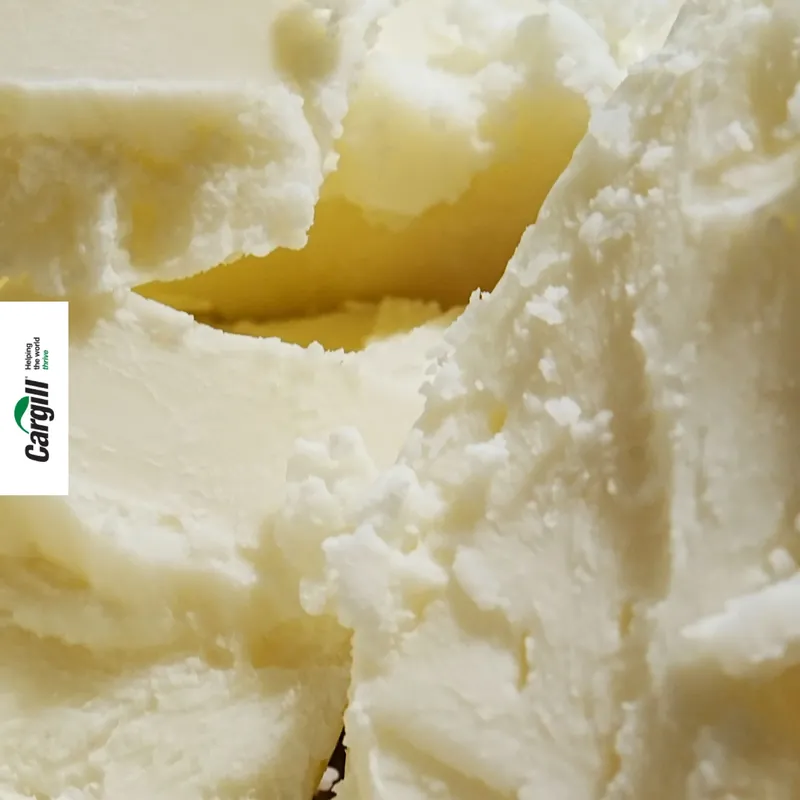
This blend of rapeseed wax and coconut oil is specially formulated for creating scented candles in containers. The special thing about this wax, as well as being a blend of two waxes, is that it comes in block rather than flake form. To use it, you need to cut out part of the block using a special wax knife.
It’s easy to cut, almost like butter. You’ll need to use a wax knife and heat it in hot water if necessary to make cutting easier (in winter).
With its very low flash point, this wax is easy to use, saving you time and energy.
Cast candles
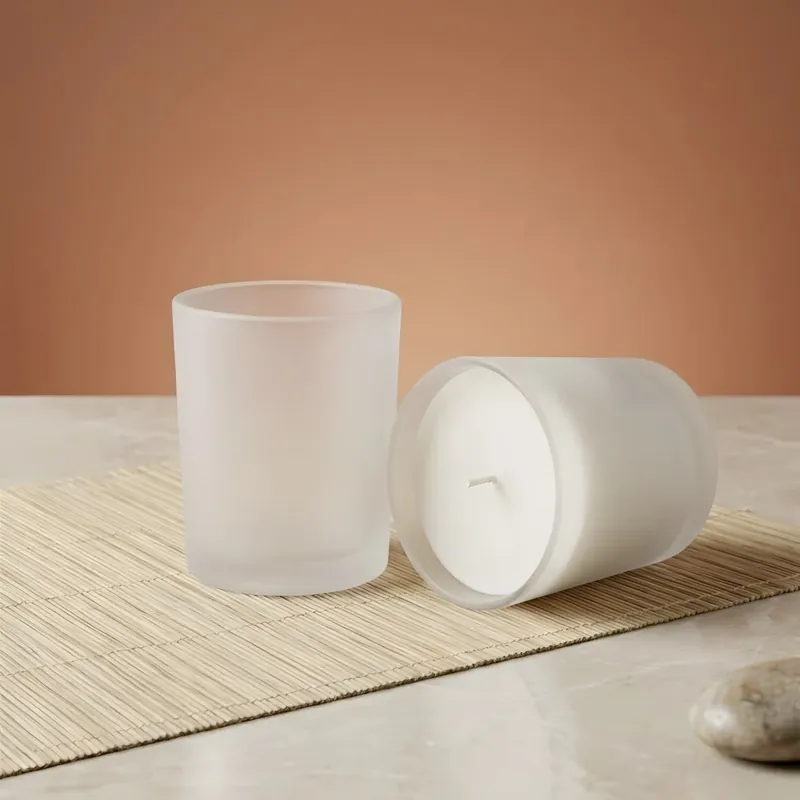
Our NatureWax 600 rapeseed/coconut wax is suitable for container candles. With its off-white/yellow colour, it can be used to make opaque container candles. You can make several pours with this wax to perfectly smooth the surface.
Massage candles
Thanks to its low melting point, this wax lends itself perfectly to use as a massage candle, while reducing the risk of burns. We recommend our various guides for making your own scented massage candles.
Characteristics of NatureWax Elite 600 for container candles
Elite 600 rapeseed/coconut wax is a natural, biodegradable, vegan blend specially developed for the production of scented container candles. It has excellent adhesion to glass, a homogenous surface and stable combustion, making it easy to pour in a single pour.
Characteristics related to use
- Melting point: approx. 20-55°C
- Appearance: off-white/yellowish, semi-solid to solid
- Odour: neutral, slightly nutty
- Relative density: 0.92 – 0.97 at 20°C
- Insoluble in water
- Recommended for a single pour with an even finish
Quality and regulatory characteristics
- Of natural, biodegradable and veganorigin
- Free from paraffin, palm oil and traces of GMOs
- Not tested on animals and free from animal products
- Complies with European REACH regulation (EC n°1907/2006) and CLPregulation (EC n°1272/2008)
- No substances classified as SVHC or endocrine disrupters identified by ECHA
- Stable product, with no dangerous reactions when used correctly
Melting point and use temperature
The melting point of this rapeseed/coconut wax is extremely low, between 20 and 55°C. Using block wax like this is the same as using classic flake wax, you just need to heat the wax a little less. We recommend heating it to around 70°C before adding colour and fragrance.
Incorporating colour
We offer a wide selection of colourants to personalise the shade of your candles. Available in liquid, powder or chip form, these colourants are incorporated directly into the melted wax. It’s important to remember that the colouring step must be carried out before adding the fragrance.
If you’re using powdered colourants, you’ll need to heat the wax to around 75°C. Then add the coloured powder and stir until it has dissolved completely.
If you are using other types of colour, such as liquid, flake or granular, heat the wax to 70°C.
Alternatively, if you want to add a darker or richer touch to your colour, add a little black dye.
Adding fragrance
Rapeseed/coconut wax is ideal for a dosage of fragrance oils varying between 8 and 10% depending on your choice of fragrance. We recommend heating the wax to a temperature of 70°C and pouring in the fragrance at around 65°C. This will allow the added fragrance to be rendered as effectively as possible.
Using rapeseed/coconut wax for container candles
Optimum filling of the container
Depending on the fragrance and the production conditions, it may be necessary to melt the surface again to smooth it perfectly. It is also possible to double-pour with a thin covering layer if cracks have appeared after the first pour. The wax can also be poured at a relatively low temperature. We recommend a casting temperature of 38°C and above.
Choice of wicks
Vegetable waxes, such as coconut or rapeseed wax, require slightly thicker wicks than those used for paraffin wax.
Be careful: if the wick is too large, it can cause the wax to drip or create soot, burn too quickly or form gutters. On the other hand, a wick that is too thin may not melt the surface properly and create a tunnel around the flame. If the flame flickers or the burn does not seem even, don’t hesitate to try another type of wick.
With rapeseed/coconut wax, we recommend our range of wicks for TCR candles.
It may take several tests to find the right wick for your container and the look you want. In addition, when you add candle fragrance or colouring, the wick should be adapted accordingly.
Cooling conditions
For best results, let the candles cool to room temperature (around 25°C) and wait 48 hours before testing the burn.
The temperatures indicated above are based on our internal tests and may differ from the values mentioned in the supplier’s technical data sheets.